



























































Ron Robison’s WHL legacy
By Will MacLaren
Photo credit: Dave Moll / WHL
When Ron Robison took over as Commissioner and CEO of the WHL in 2000, the league was already firmly established as a primary training ground for future professional talent. Taking a league with an already high pedigree to yet another level of greatness is no small feat. However, Robison did just that and more over the course of a league record 24-season stint at the helm out west.
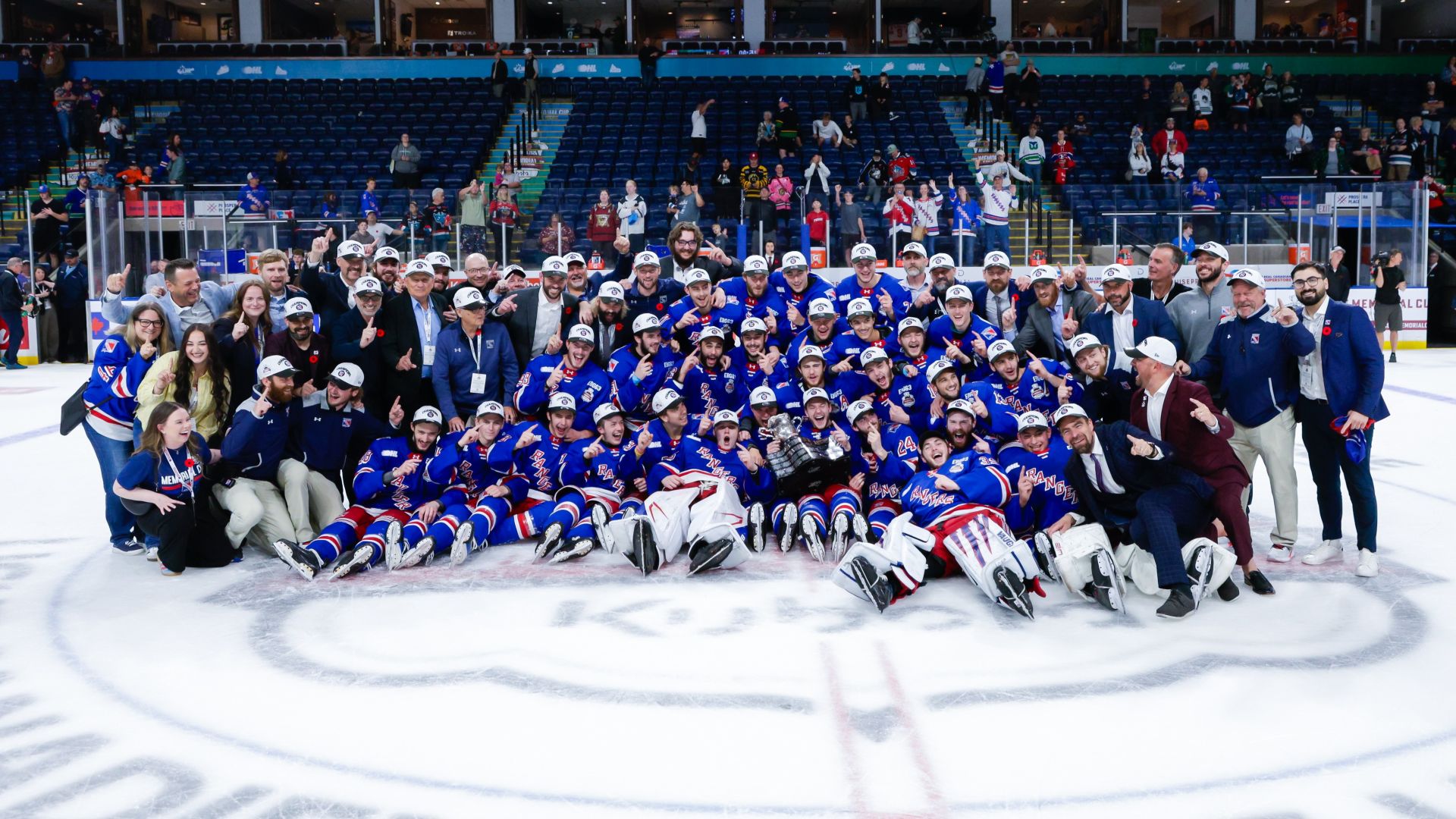
On the ice, the results came early and often. WHL teams won back-to-back Memorial Cups (Red Deer – 2001, Kootenay – 2002) in Robison’s first two seasons in the Commissioner’s chair. Overall, six clubs would capture the CHL’s top prize during his time at the top. And with names like Weber, Price, Eberle, Nugent-Hopkins, Reinhart and Bedard electrifying crowds, the Dub could always count on elevated notoriety during Robison’s tenure. They could also count on thriving at the gate as well. Already an 18-team circuit on the day the native of Indian Head, Saskatchewan took over, 22 teams counted themselves as members by the time his era had ended, leaving the WHL as the largest junior hockey league in the world.
In terms of off-ice goals, the man who commanded respect at the top of the league also did his best in ensuring it would be shared amongst those who represented it. For much of Robison’s tenure, the WHL, partnered with The Respect Group and the Red Cross, developed the Respect in Hockey program. This ensured the league – in a time where providing support and security to players became a much higher priority – had the tools in place to provide the most comprehensive safeguarding system in the game. In 2015, the WHL Player Impact Program was introduced as an outreach for players requiring assistance while dealing with mental health or addiction issues.
Robison, who could draw on two decade’s worth of experience in senior management positions with Hockey Canada, including serving as its President from 1992-94, was also a key cog in league marketing initiatives. His leadership in the broadcasting structure, including integral commitments to both TV and online broadcasting, ensured the most important games on the WHL calendar were available to as wide an audience as possible.
Perhaps most critically, and much like his contemporaries in the OHL and QMJHL, Robison’s tenure saw the expansion of the WHL Scholarship program. Thousands of players reaped the benefit of over $35 million in available funds to provide all new possibilities in their post-playing careers.
“The most gratifying aspect of being part of the WHL is that our Clubs not only produce highly-talented hockey players but more importantly, exceptional young men,” Robison said in a statement before the start of his final year with the league. “Whether our players advance in the game and pursue a professional hockey career or through the WHL Scholarship program move on to successful business careers, the WHL is assisting all of our players in achieving their goals.”
Robison retired following the 2024 season, having surpassed the legendary Ed Chynoweth as the league’s longest-serving Commissioner, but remains involved as an Executive Advisor. By the time his tenure had come to an end, it could rightfully be said that virtually everybody that came into the WHL’s sphere with Ron Robison at the helm had encountered an elevated experience – an impressive claim to fame when the expectations were already formidably high.