


































Exploring player development in the OHL
The OHL is often talked about as the world’s best developmental hockey league, but rarely do we stop and think about what that actually means, aside from the obvious on-ice growth.
Sure, kids come to one of the league’s 20 franchises as 16-year-olds, and leave roughly four or five years later as better hockey players, but the journey between point ‘A’ and ‘B’ is forgotten by fans and pundits alike.
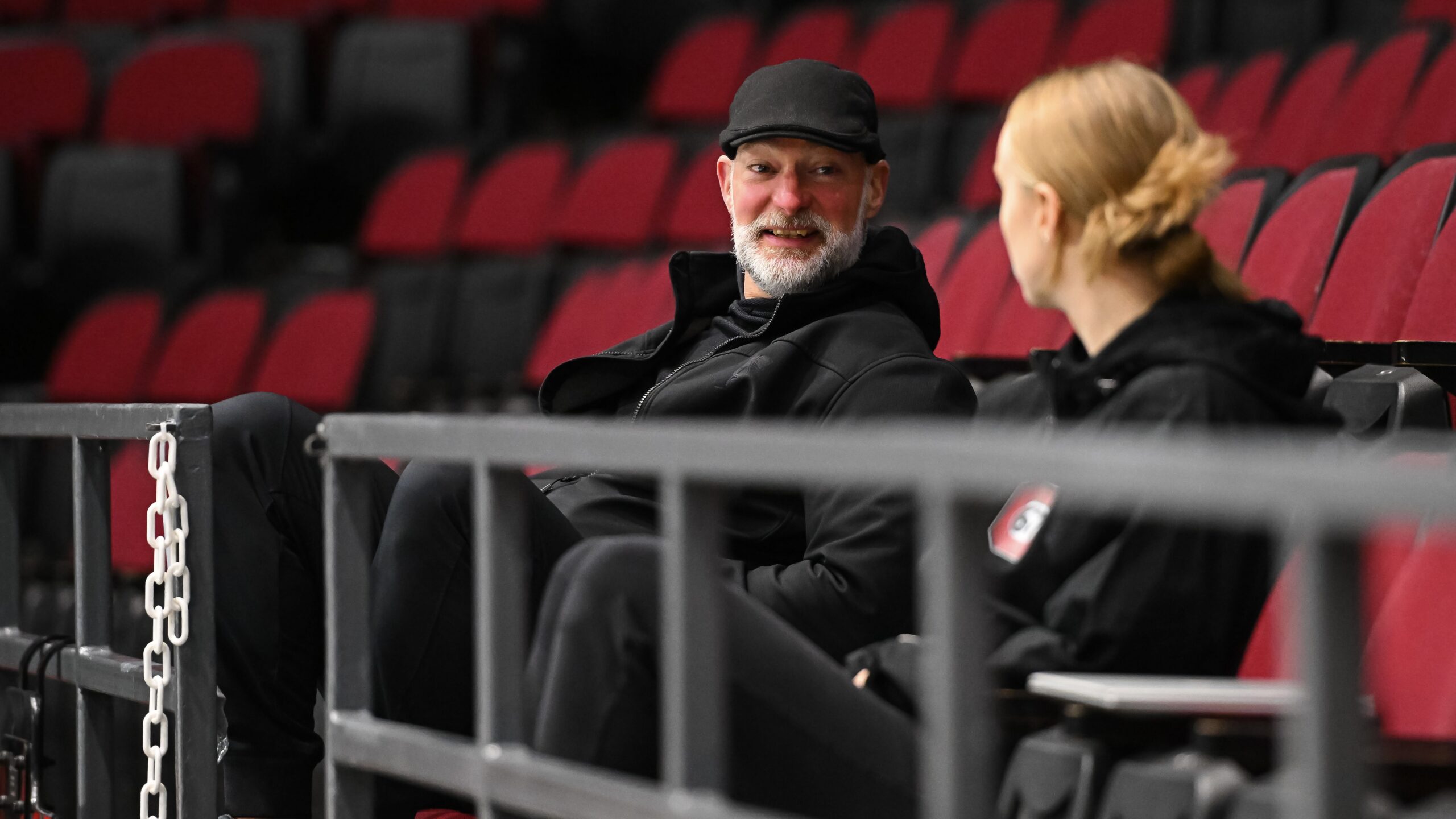
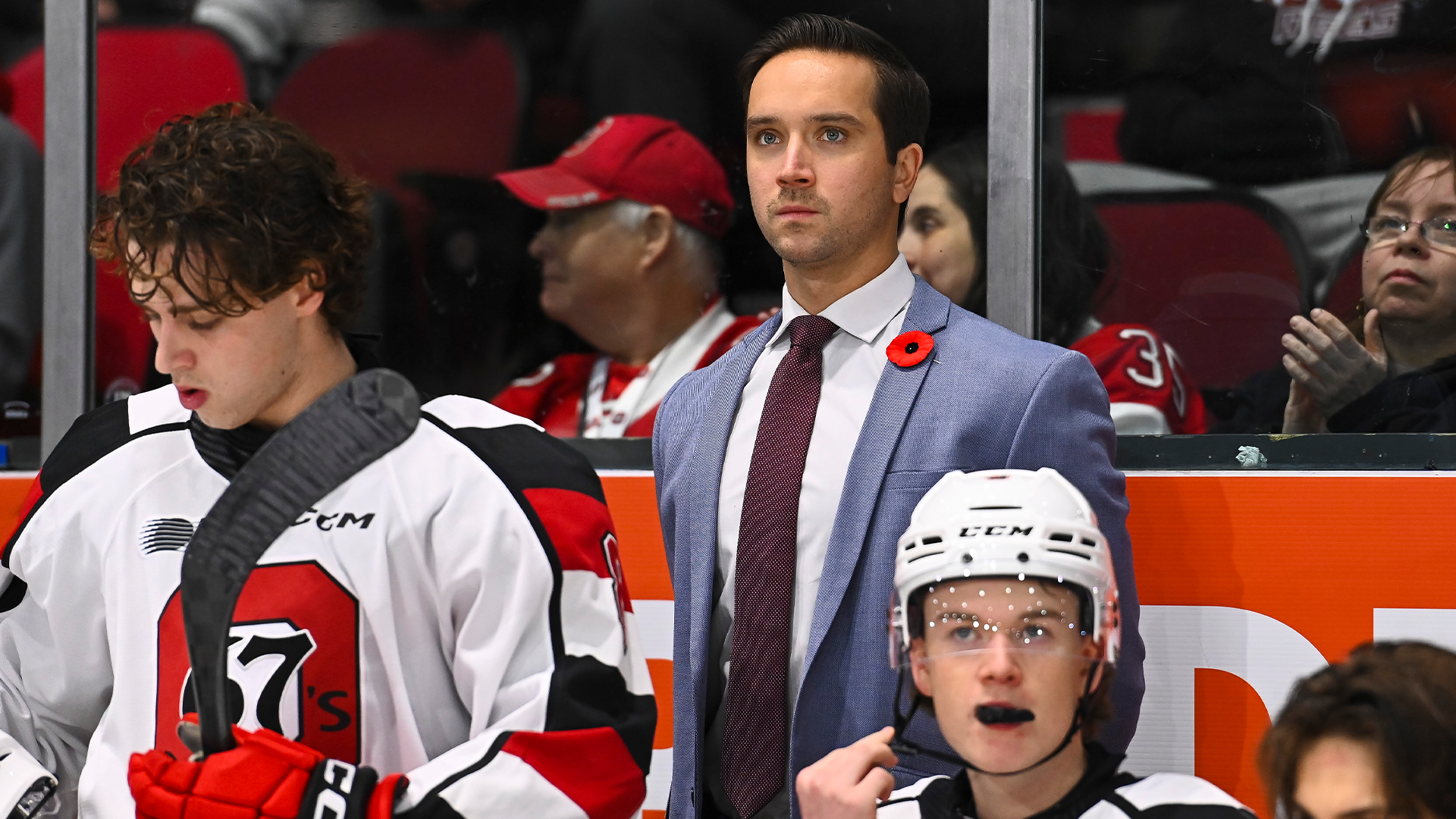
It’s not as simple as it’s made out to be, the path is different for everyone, and according to 67’s Assistant Coach Paul Stoykewych, even the definition of ‘development’ can vary from person to person.
“I think more people should be asked this question, because I don’t think a lot of people know the answer,” he said. “What development means to the Head Coach might be different than the specific defensive coach or the management, or whoever else may be in the organization.”
“When I think of development, to me, it’s when you see an individual have personal growth. That could happen daily with small things, or it could be a bigger, encompassing theme over the course of the year. It’s not something that happens once, it’s something that becomes their identity.”
Each day, Stoykewych comes to the rink looking to push his players one step toward their end goal, which they set together at the beginning of the season. For some, particularly Henry Mews and Frankie Marrelli this season, the goal is to improve their draft stock, while for others, that might be pushing their way into the minds of scouts and General Managers, like it was for Charlie Hilton and Josh Brady.
Honest conversations are a key part of the process, and throughout the season, that’s not always going to be a positive thing. Some days, a player will come to practice and might struggle, or they’ll go through a stretch of games where nothing seems to go their way, but Stoykewych understands that development is seldom linear, and bumps in the road are inevitable.
“[For all of them], it was a rollercoaster of a year. They have this idea of walking across that stage on putting on an NHL jersey, but it’s a long time from August when they reported to now in June. Throughout that, you have to be comfortable in that process, and my job is to help them through those difficult times, and celebrate the good times with them.”
At the young age of 29, Stoykewych is unlike many coaches in the league, having recently shared many of the same experiences the young men in the 67’s locker room are going through now, right down to the pressures of focusing on each day when the scouts are watching your every move.
“I’ve gone through the same thing with the draft process,” Stoykewych said. “I didn’t get drafted, but it’s something where I can empathize with the athlete. Specifically with the defencemen, we’ve built that relationship and that trust, where if something is going wrong, they are comfortable coming to me. I’m there for anything they need to get through a challenging time.”
In his first OHL job, the Winnipeg, Manitoba native came to Ottawa excited to work with the Barber Poles’ youth. He had heard plenty of good things, and with the year now in the books, he says it all turned out true.
“[I wasn’t] surprised, but I confirmed [everything I was told],” Stoykewych said. “They are unbelievably competitive, how respectful they are, and their work ethic. All of that was confirmed with me. Daily, we would have conversations, and you could see it in their eyes, and they truly listened when I spoke. It became a two-way street.”
Development on the ice is what gets the most attention, and fans fawn over points as the draft approaches, but it’s only part of the picture. Away from the rink, you’ll often find the most important growth from a player, as they change from a teenager to an adult.
Though still only 17 or 18, players are expected to be ready to take on the responsibility of becoming professional hockey stars, and graduate high school, an odd combination of duties. Still, Stoykewych says it’s the area where he has seen the most growth since September of 2023.
“I see signs of maturity,” he said. “It’s a really tough year when you’re going through your draft year, and sometimes, it’s hard to know what you should be doing. I truly believe that they are still kids, they make mistakes, but when we got to the playoffs, they understood the proper assignments.”
When the draft comes to a close, whether a player hears their name called or not, the journey isn’t over, nor is the work done. Come August, the 67’s coaching staff will once again assume the responsibility of helping their young players take the next step in their careers.
“It might be the biggest thing we have to do,” Stoykewych said. “If we don’t do that, we’re failing as a staff, and we’re going to fail as an organization. That’s the nature of the business. If you’re not getting better, other teams are going to, and I hate to lose. Everyone knows the standard of the 67’s, and we’re looking forward to the expectations we have set over the summer. We’re coming into camp with the throttle pushed right down.”